At Down 2 Earth we believe in solving gardening problems with pests and insects in a natural and environmentally friendly way which is helpful for your garden. We have listed some gardening tips which we use for your garden.
What is the best time to water?
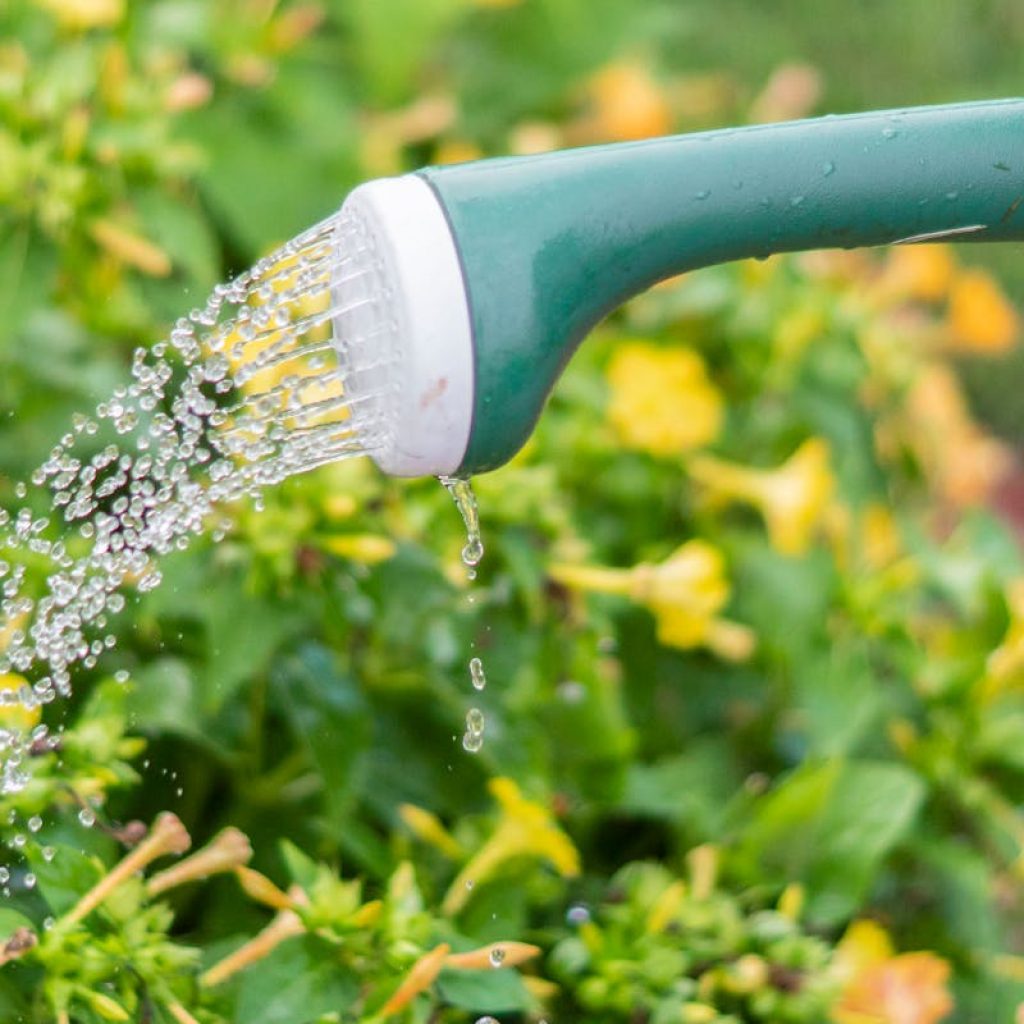
One question we always get is when is the best time to water? Our answer? In the morning! Think about it, the same way you need water or something to drink in the morning, plants also need that morning drink to survive the afternoon sun. If you water during midday, you risk burning the roots and the leaves. So before you go to work, or at the start of your day… WATER YOUR PLANTS!
Dealing with bugs
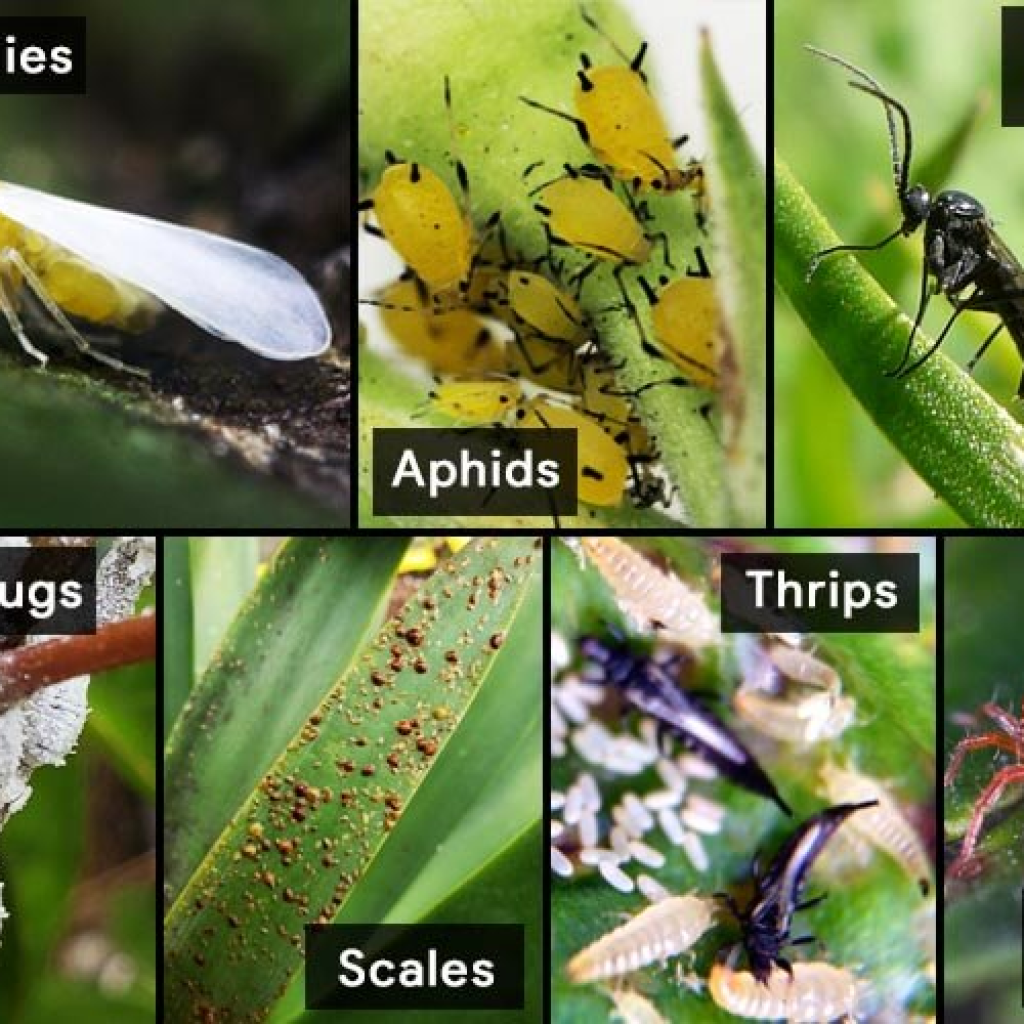
Mix 1 teaspoon of vegetable oil, 1 teaspoon of liquid dish-washing soap (Palmolive), 1 diced clove of garlic, and 1 onion slice combined with 1 liter of water. Ensure that the entire plant I covered concentrating on the underside of the leaves. The aphids must come into contact with the soap solution in order to achieve full effectiveness. After a few hours, wash off the solution with a garden host. Repeat application every few days as necessary.
Another useful remedy is to soak a cotton ball or spray ½ a cup of running alcohol into 2 cups of water to the entire affected plant area. Ensure that the top, bottom, and stem surfaces are wet. Repeat every 3 days for 2 weeks. If soap or alcohol solution is left on the leaves, leaf burning may occur.
Those Pesky Slugs and Snails
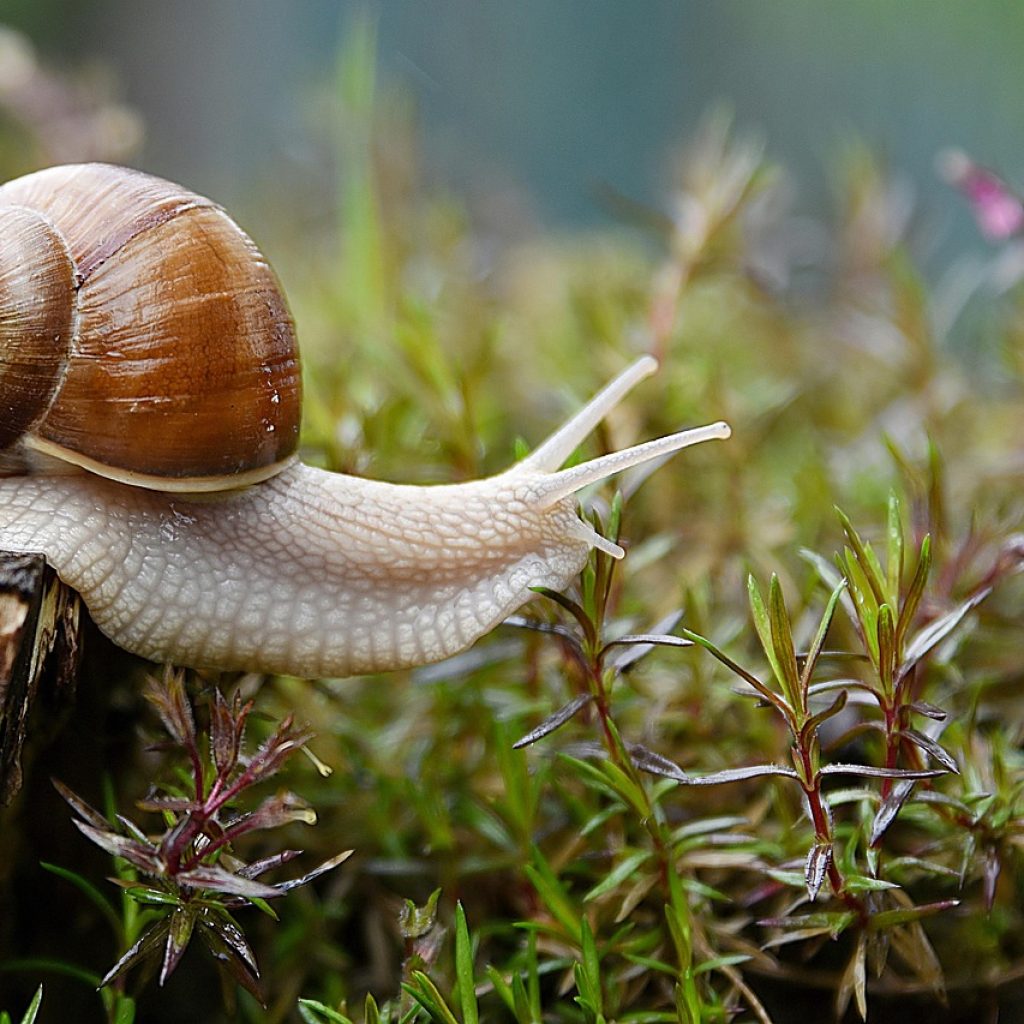
Keep the shaded area weed free which will reduce the slug population. If you see holes in your Hosta leaves or other plants or glistening slime trails: Trap slugs and snails by pouring beer in a shallow pan or flat container and bury the container so the lip is at ground level. Place several containers throughout the garden in open areas. Beer is effective for approximately three days before it loses its potency. Another effective option is to crush eggshells or spread copper pennies around the plants.
Moles, Gophers, Ground Hogs, Squirrels and Raccoons
Place pieces of jalapeño peppers within 4 inches of where they are invading OR place human or animal hair around the area where they are prone to be.
Grubs
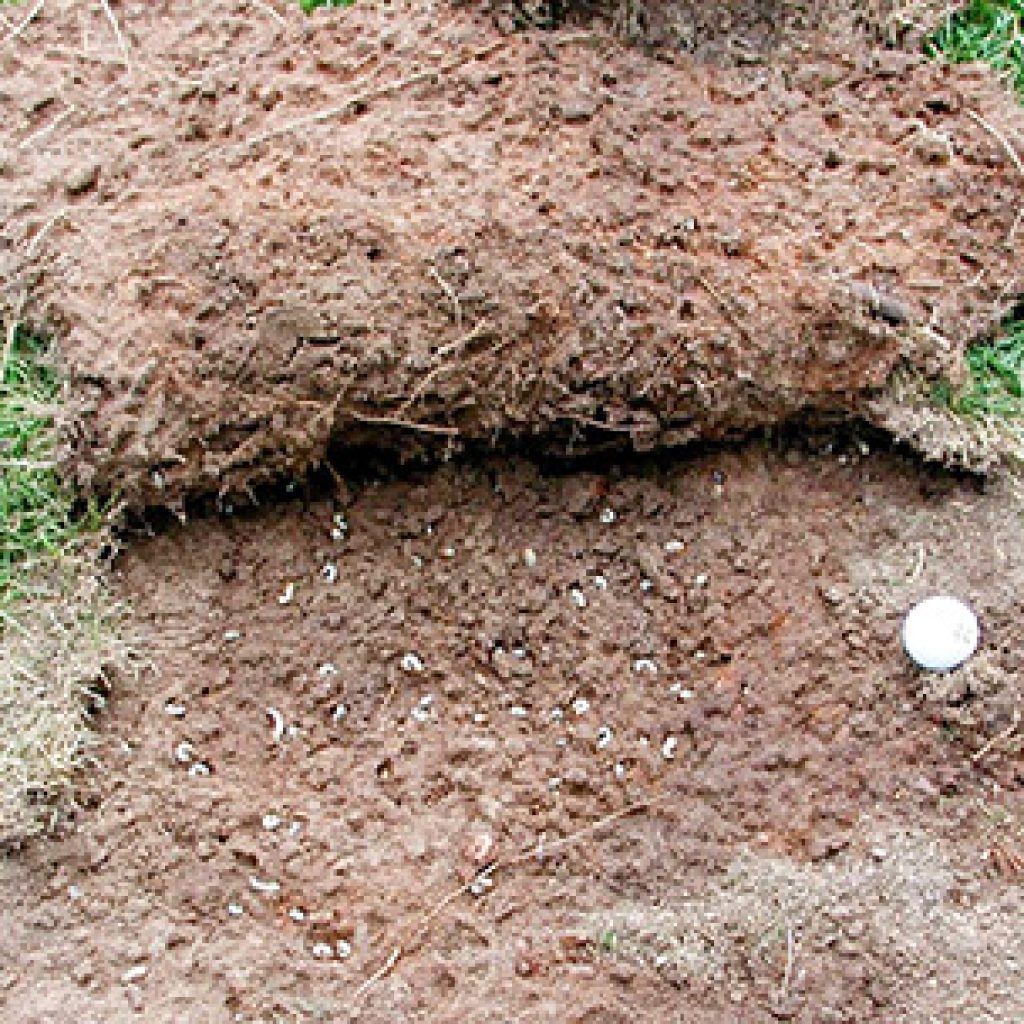
Check for grubs by cutting into the lawn near the edge of a brown area and lifting the sod. If it comes up easily, you’ve got grubs. You’ll see milky-white, worm like creatures with brown heads curled into a C shape. A remedy is to combine nematodes with water and apply to the soil in the spring or fall. Wait a couple of days and reseed or replant any damaged areas.
Fruit Flys
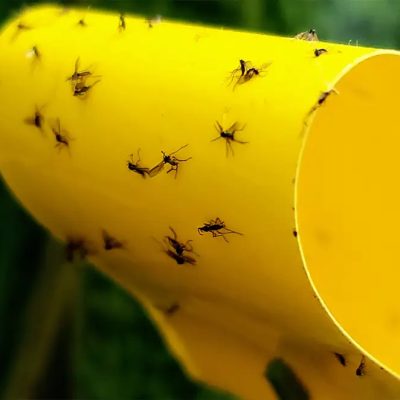
Fill up a saucer of some cheap white wine, add a little detergent to it and leave it around for the flies to drink and depart it’s life
Dealing with Earwigs
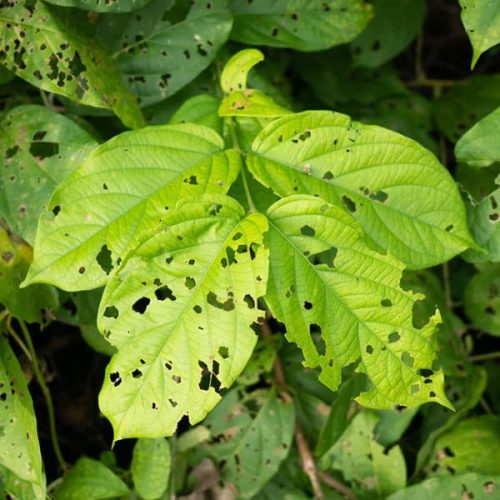
Earwigs are attracted to fish oil. Therefore a useful method to trap the earwigs is to place fish oil in a shallow container and bury the shallow container up to the lip. You can identify if your plant is being eaten by earwigs since they leave little holes in the leaves like this.
When to water indoor plants?
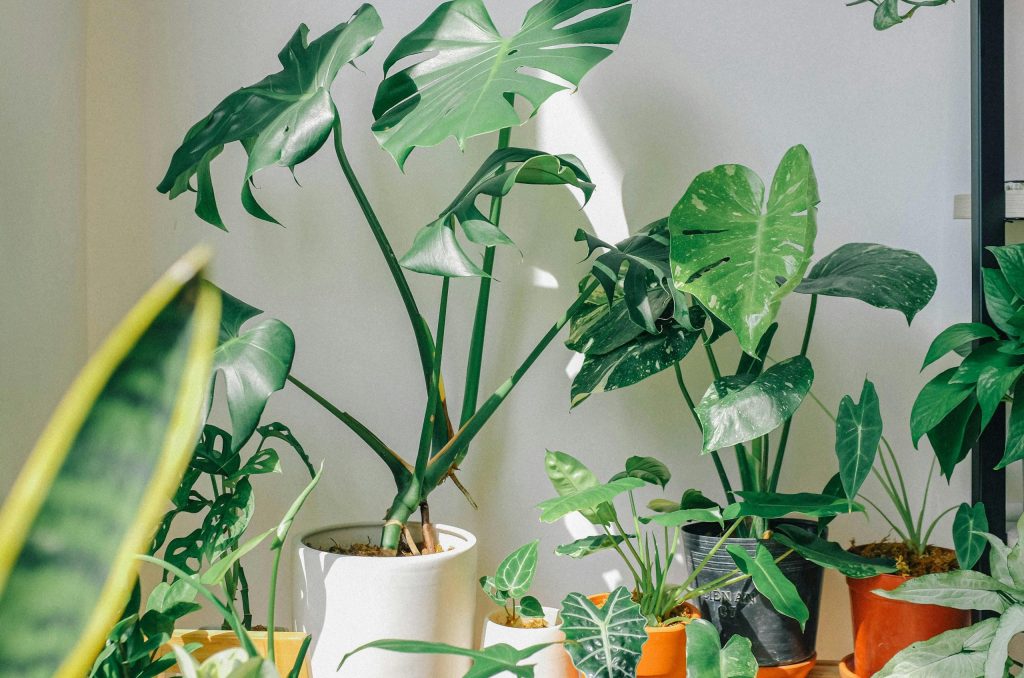
A big question we always get is how to keep your precious indoors alive. Honestly the biggest problem we see our customers face is over watering their indoor plants. For indoors, less is more. The average amount of time between watering sessions should be about 10-14 days (with some plants even only needed to be watered once a month). The best way to check if your plant needs to be watered is to place your finger in the soil knuckle deep. If your finger is wet in any way, do not water your plant.
Dry or Sandy Soil
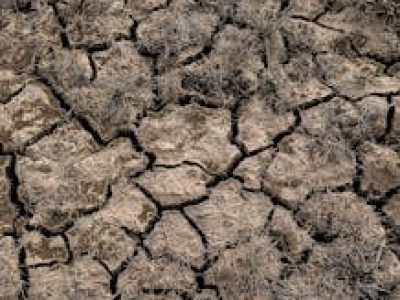
If you notice your soil is dry or sandy, we recommend using sea compost to combat the dryness. Get your nose plugs ready and get ready to mix the sea compost into the dry soil.